


SEINE BIO · Research, evidence & your next steps
Explore the pathway behind growth-hormone signaling.
Ipamorelin is a growth-hormone secretagogue with a distinct research history. Understand the biology, review what human studies actually tested, and discuss your endocrine-health priorities.
This catalog formulation is investigational, not an FDA approved treatment.
How Ipamorelin works
Ipamorelin is a growth-hormone secretagogue acting through the ghrelin receptor pathway. Stimulating a hormone signal does not by itself demonstrate improved strength, sleep, fat loss or longevity.
Why it’s getting attention
A randomized phase 2 study evaluated intravenous ipamorelin for postoperative ileus, not routine subcutaneous wellness use. FDA notes serious adverse events, including deaths, in that study setting and a lack of adequate safety information for other routes; that does not establish that ipamorelin caused every event.
Protocol reference at a glance
Reference context, not your prescription. No established patient protocol was identified for this formulation. The chart summarizes research context, not directions for use.
| Stage | What to expect from the evidence |
|---|---|
| Research setting | Published human trial context included hospital intravenous treatment, not a home wellness cycle. |
| Starting / loading phase | No validated routine-care starting or loading dose established for this exact formulation. |
| Standard dose / maximum | No validated standard patient dose or safe maximum established here. |
| Maintenance / cycles | No validated ongoing maintenance or cycling protocol identified. |
Presentation & administration
Intravenous postoperative research cannot be converted into a subcutaneous pen, cartridge or vial schedule. No validated nasal regimen is established here.
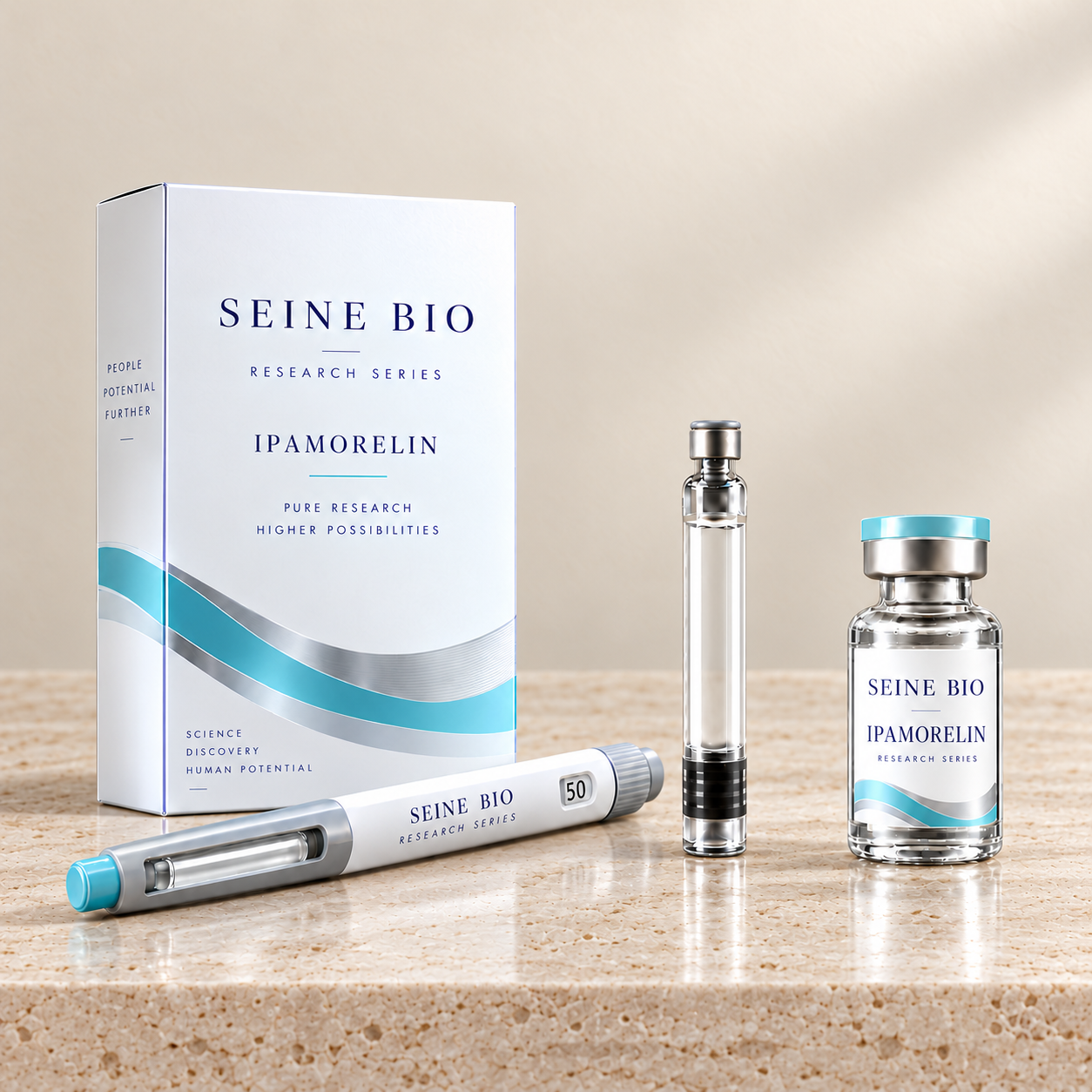
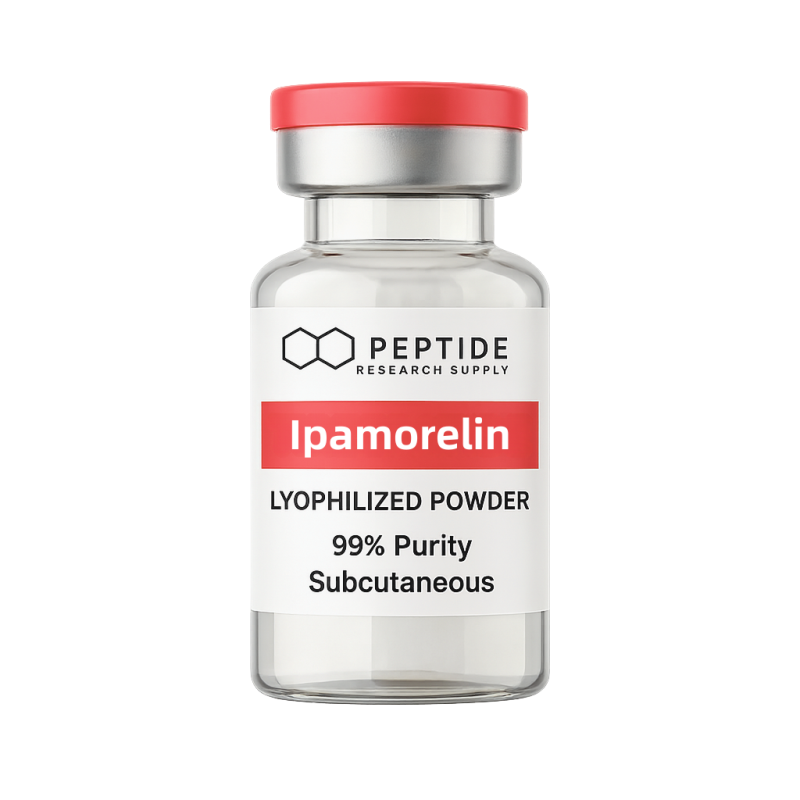
Catalog presentation: Vial / Cartridge / Disposable Injection Pen. Listed strength options: 5 mg; 10 mg. One catalog unit is one selected presentation—not a box containing every pictured format. Total container content is not a personal dose, and an illustration does not verify an approved route or device.
Risks & common side effects
- Growth-hormone pathway stimulation calls for review of glucose control, fluid retention, headaches, joint symptoms and IGF-1 levels. These are clinical screening concerns, not a quantified side-effect profile for this formulation.
- Existing cancer, unexplained masses, pituitary disease, diabetes, pregnancy and other hormone treatments deserve specialist review. Do not stack agents or adjust doses to chase laboratory numbers.
Tell your clinician about new or persistent symptoms and other medicines. Changes to treatment should be clinician-directed.
Other options worth discussing
Persistent fatigue, poor recovery or body-composition changes merit a diagnosis-led assessment. An endocrinologist can distinguish a true hormone disorder from goals better addressed through sleep, training, nutrition or established treatments. “More established” does not mean risk-free or suitable for everyone; a clinician should compare benefits, contraindications and your preferences.
When to seek help
Significant swelling, severe headache, palpitations, fainting, marked thirst or a suspected allergic reaction needs prompt medical assessment.
Finished-product quality, concentration and route require verification. Review allergies, pregnancy, health conditions and other medicines with your clinician.
Do not wait for a portal reply in an emergency. Call 911 or seek emergency care for severe or rapidly worsening symptoms.
A few useful answers
Is it a proven sleep or muscle-building treatment?
No. A hormone-release mechanism is not proof of those clinical outcomes.
Can I copy a hospital study dose?
No. Different routes, populations and monitoring make that an inappropriate home-treatment guide.
Does clinician authorization guarantee access?
No. Clinical appropriateness, lawful availability and a verified finished formulation must each be established. An Rx setting, luxury image or research-series label does not create regulatory approval.
Research & references
General information, not a prescription or a guarantee of results. Research and reference-label schedules do not replace instructions for your exact prescribed product. Clinical suitability and lawful availability require separate confirmation.
Make your next step an informed one.
Share what you want to improve, what you have already tried, and the questions you have about Ipamorelin. Your care team can help put the evidence and alternatives in context.
Sign-in may be required. This is not an emergency service or a guarantee that this product is available.
Product codes & historical records
Historical catalog reference
Source snapshot captured October 11, 2026. Historical catalog reference only; this draft is unavailable for purchase. Supplier prices, packaging, stock and reported test content describe the archived source entries, not a current SEINE BIO supply lot.
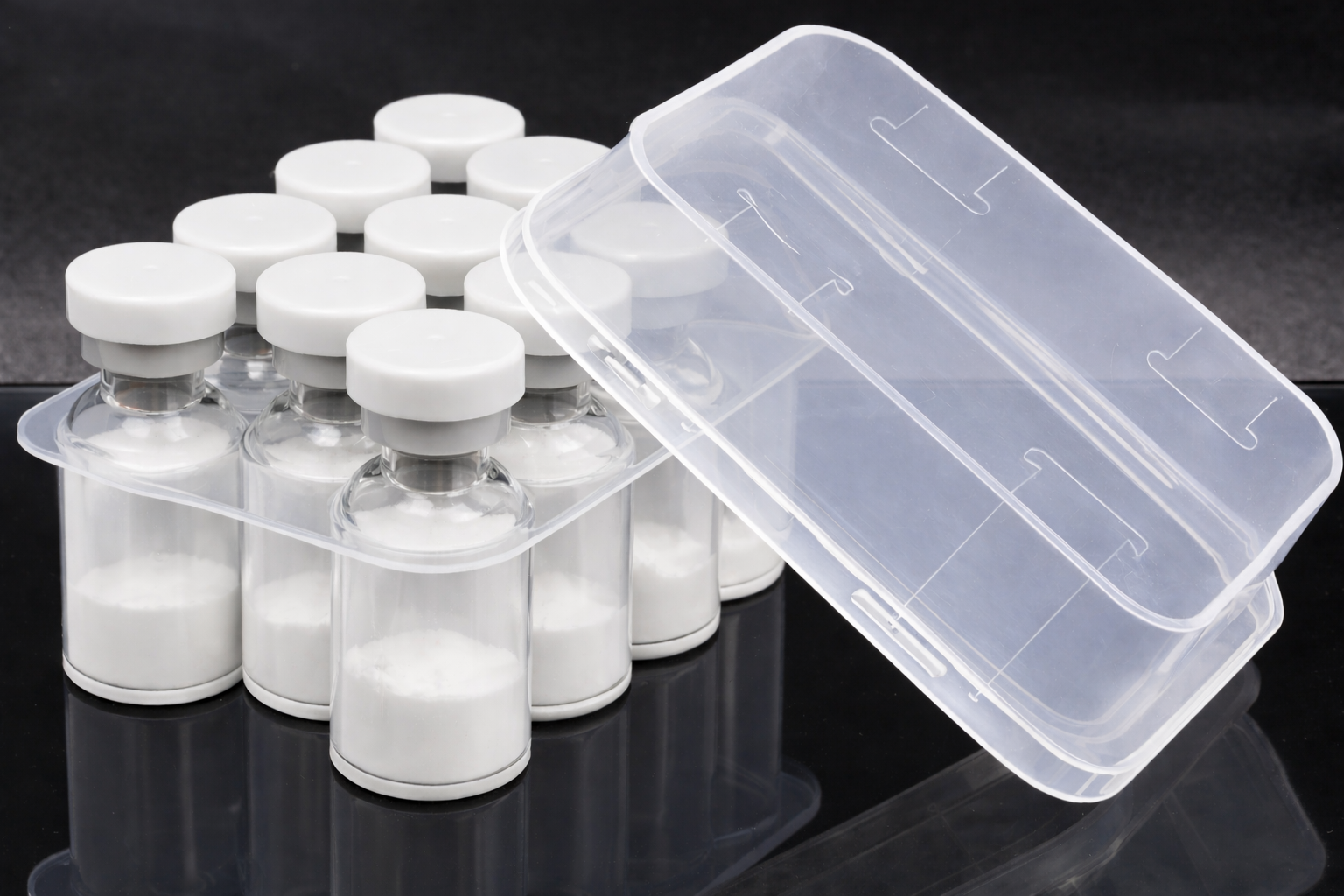
Ipamorelin — 10 mg per vial
Product Code: 3310
Original supplier title: 3310(10*10mg)
| Supplier | Supplier |
|---|---|
| Supplier pack | 10 vials |
| Nominal content | 10 mg per vial |
| Source listed price (USD) | $55.00 per supplier pack |
| Source regular price (USD) | $80.00 per supplier pack |
| Source price per unit (USD) | $5.50 (arithmetic reference) |
| Batch shown on product page | 2026083310 |
| Source stock snapshot | 147 in stock — US warehouse |
| Source weight | Not displayed |
| Source dimensions | Not displayed |
Archived supplier description: Supplier describes IPA10, reports tested content of 8 mg and a $50 description price, and cites batch 2026083310 and its test report.
Source discrepancies / additional details: Title states 10 mg; description reports tested 8 mg and $50; page price is $55.